

Roy Greenhalgh is a chocolatier living in the US state of Maine. As a child, he listened to his mother read Tolkien and fell in love with fantasy, mythology, and folklore. Today, he shares his interpretations of those stories through Yūgen, a virtual musician he created.

Roy first shared his experiments with AI music, stories, and video under the name Tainted Eclipse. Back then, Yūgen was still a collection of scattered ideas. When he began experimenting with music in Mureka, the layered arrangements, emotional range of the vocals, and the way the results reflected his creative intentions helped him see the possibility of developing her into a musician.
In Roy’s story, Yūgen is a Japanese kitsune who has spent 900 years traveling the world, gathering stories and musical traditions along the way. She has witnessed human cruelty, yet remains curious, humorous, and willing to understand others. Roy wanted to find a voice that could convey her personality and experiences through song.
Her first song, “Yūgen,” was made entirely in Mureka. Roy envisioned it as the character’s formal introduction to the modern world. He went on to experiment with different voices and musical styles, gradually defining her musical identity. As the songs accumulated, the project grew into a debut album, The Long Way Here, and her story became richer.
Running through these works is Roy’s curiosity about the different figures in folklore. He keeps returning to one question:
“What if the stories we’ve always heard aren’t the whole story?”
Rediscovering Folklore Through Music
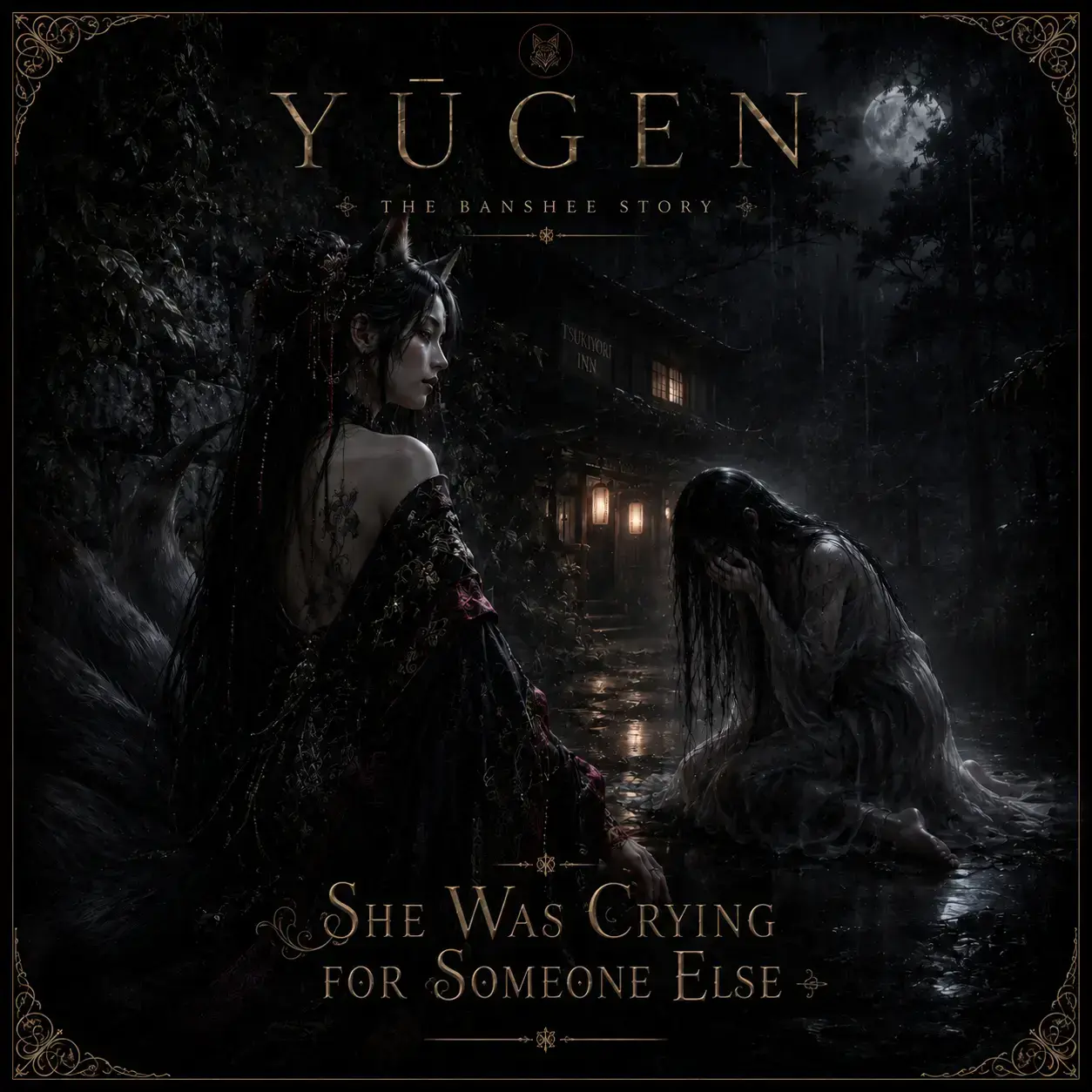
On the later album You Are Never Alone, Roy focused on figures in folklore who inspire fear, giving them a chance to tell their stories from another perspective.
“She Was Crying for Someone Else” centers on the banshee of Irish folklore. Roy noticed that her cries are associated with impending death, but that does not mean she causes it. What if she simply senses a loss to come and is already mourning someone she cannot save?
Roy’s AI assistant suggested a scene in which Yūgen meets the banshee at an old inn. Roy was moved by the misunderstanding at its heart: she carries grief, yet people fear and blame her because of her cries. In the song, Yūgen chooses to stay and understand her.
Both the lyrics and the music grew from that idea. Roy wanted a lingering, eerie chill while allowing listeners to feel the banshee’s sorrow and Yūgen’s compassion, without casting the banshee as evil. He brought the refined lyrics and musical direction into Mureka. To him, the resulting vocals and arrangement gave the story an emotional force that words alone could not convey.
These are Roy’s own imaginings and adaptations. He does not believe he has uncovered the true meaning of the original legends. He hopes to offer another way of understanding their characters.
The Same Lyrics, Different Emotions

The perspective of each story also shapes Roy’s choice of sound.
“You Wouldn’t Know Her” follows Yūgen’s memories of people from her past. Those who changed her life have been gone for hundreds of years; today’s listeners would not recognize their names.
Roy made two versions with the same lyrics. The first is soft and slow, with an almost heartbreaking sadness. The second has a faster, club-inspired arrangement, blending classical instruments and blues with a rich, smoky voice. To his ears, the first gives voice to grief; the second, to someone who has learned to live with it.
“She sounded like more than someone singing. She sounded like someone who really had something to say.”
That is also how Roy judges whether a piece feels right. He usually begins by discussing the story and the characters’ motivations with his AI assistant, then refines the lyrics, sets a musical direction, and starts experimenting in Mureka. The assistant offers suggestions; he makes the final choices. He will discard lyrics that feel emotionally wrong or interpretations that do not fit the character, even if they appear complete.
He is just as willing to explore playful, odd ideas. “The Colors Had Teeth” was inspired by a program about older women trying psychedelic mushrooms. Roy imagined what a 900-year-old kitsune might have experienced, then experimented with dissonance and fragmented harmonies. For him, curiosity can lead to unexpected musical directions, while the character’s personality helps him decide which results to keep.
When Yūgen Meets Sun Wukong
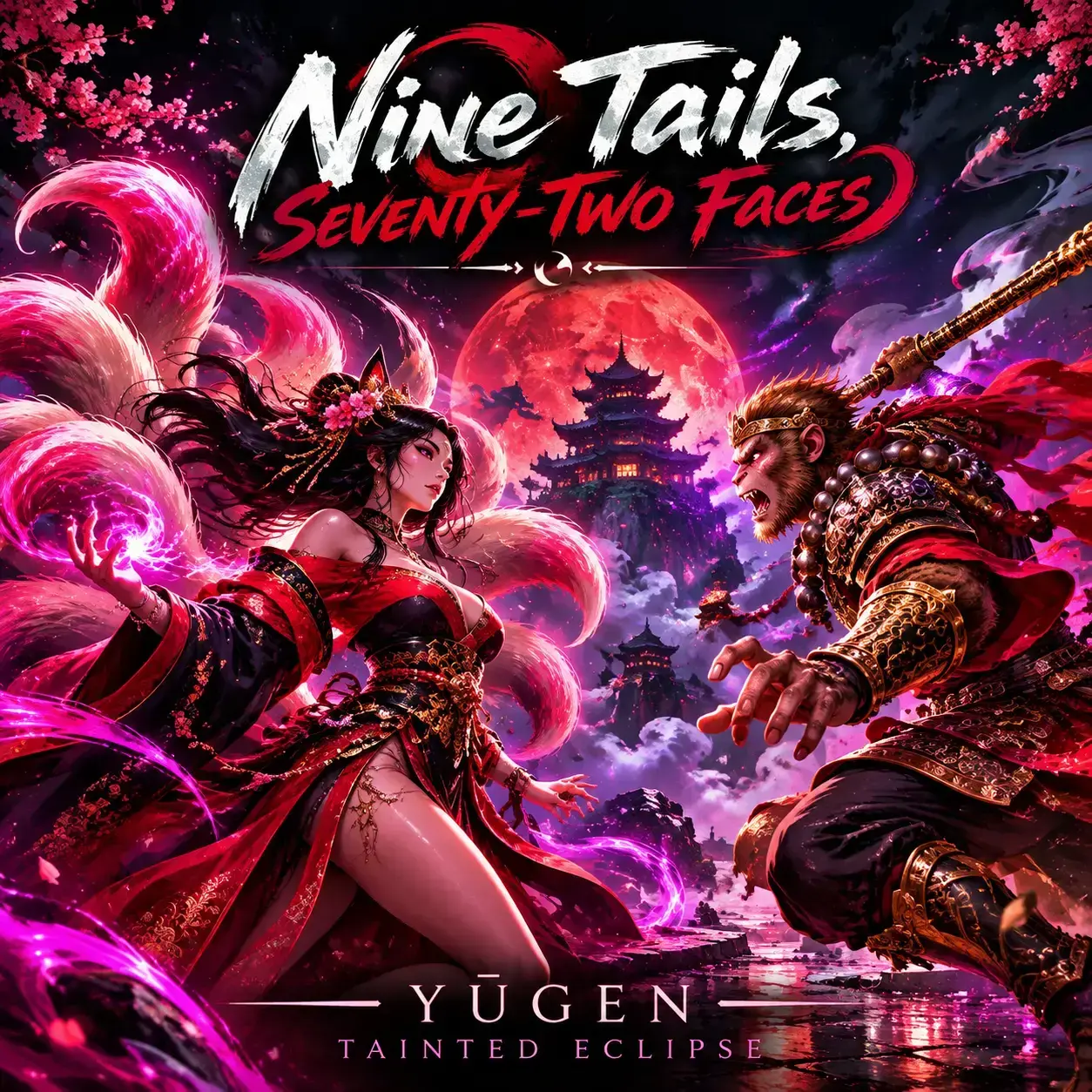
In “9 Tails, 72 Faces,” Yūgen faces Sun Wukong from Chinese mythology in a rap battle. They gradually move from testing each other to mutual respect. The song is still unfinished: Roy is working on getting the male and female voices to sing the correct lines for their respective characters.
After creating the song, he looked more deeply into Sun Wukong’s experiences and recognized something of himself in the character’s humor and defiance. Roy says he, too, has used jokes as a “sword and shield”—to challenge others, protect himself, or hide pain.
That led to a piece of dialogue that has yet to become a song. Yūgen does not ask Sun Wukong to give up his humor or change who he is. She simply tells him that when the arm holding his shield grows tired, he does not have to keep his guard up around her.
That personal connection makes Roy want to keep writing their story. He wants to understand what Sun Wukong has been through and preserve the character’s complexity, rather than reduce him to a victim or a hero.
Letting Music Spark an Interest in Folklore
Roy hopes listeners will enjoy the music first: laugh, cry, or dance along. In the playful “Cucumber Tax,” an unfamiliar name might be enough to prompt a quick search: What is a kappa, and why does it like cucumbers? Even if the song inspires just five minutes of learning about unfamiliar folklore, he feels it is worthwhile.
Alongside curiosity, he emphasizes respect. When approaching other cultures, especially living cultural and religious traditions, he believes creators need to understand where the stories come from and acknowledge that some may not be theirs to reinterpret.
“I don’t want Yūgen to replace those old stories. I want her to help people discover them.”
Explore Roy’s work
- Tainted Eclipse/ Yūgen on Mureka
- She Weeps for Someone Else
- You Wouldn’t Know Her (Revisited)
- Nine Tails, Seventy-Two Faces
- Yūgen’s albums on Bandcamp
Mureka Creator Spotlight is looking for more musicians, producers, and multidisciplinary creators with a sustained creative practice, a distinctive personal style, and their own approach to making work. Whether you are releasing your own music, developing a long-term music project, or exploring new ways to bring AI and music together, we would love to hear about your creative ideas, your process, and the stories behind your work. Send your submission to mureka.aimusic@gmail.com, or contact @lenko_z from the official Mureka team on Discord. Your creative journey could be the focus of the next Spotlight.